


Table of Contents
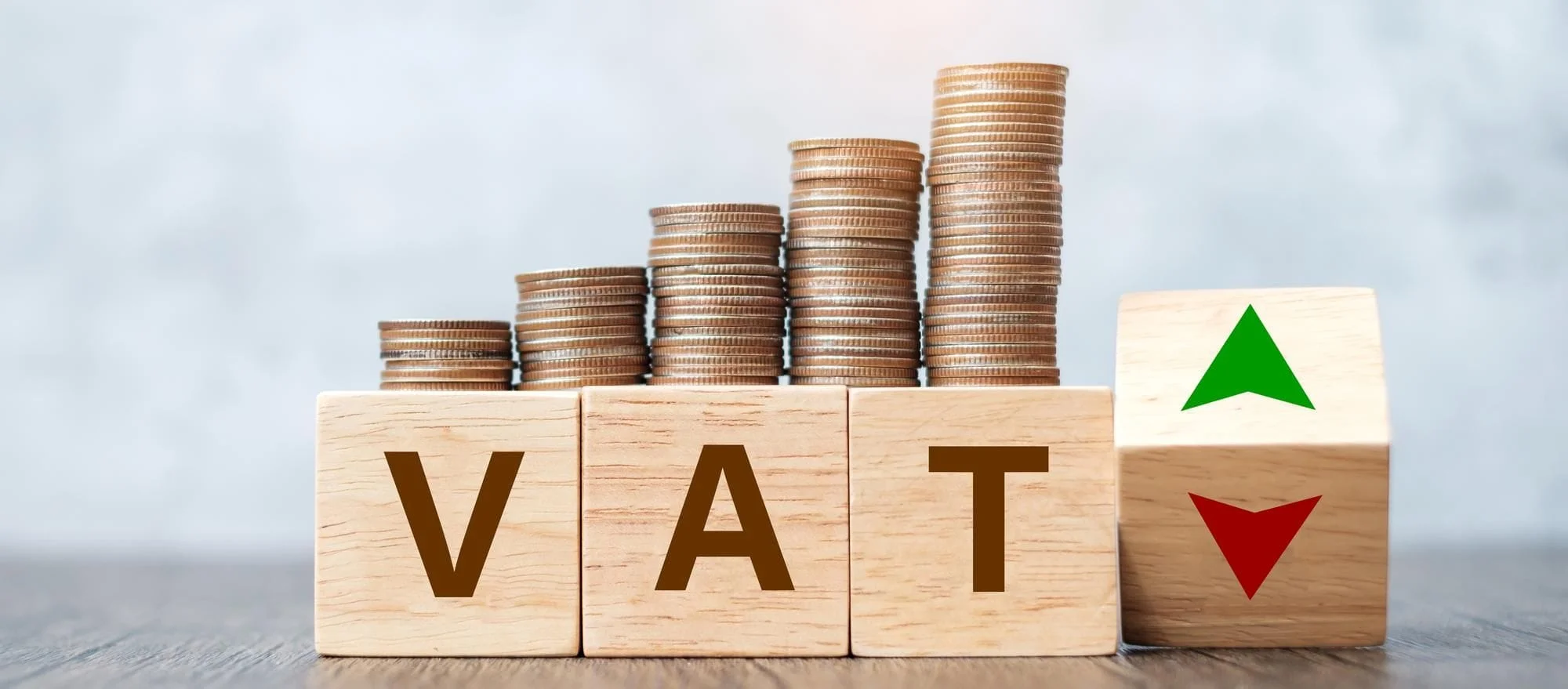
ToggleIf you’ve registered for VAT or are considering it, you may be asking yourself whether it’s truly helping your business—or quietly holding you back.
VAT registration does come with certain advantages, such as being able to reclaim VAT on business expenses and boosting your professional image. But it also brings challenges like more admin, cash flow strain, and potentially higher prices for your customers.
In this blog, we’ll walk through the benefits and drawbacks of VAT registration so you can decide whether it’s the right move for your small business.
The Benefits of VAT Registration
1. Adds credibility to your business
Being VAT registered often signals that your business is established and trustworthy. Larger clients and suppliers may view you as more professional, which could open the door to bigger opportunities.
2. Appeals to VAT-registered clients
If your customers are VAT-registered businesses themselves, charging VAT isn’t an issue—they can simply reclaim it. This makes your services just as attractive, if not more so, compared to non-VAT-registered competitors.
3. Avoids costly penalties
Once your turnover hits the current VAT threshold of £90,000, you’re legally required to register. Getting ahead of this avoids late registration fines and unnecessary stress.
4. Reclaim VAT on expenses and assets
VAT registration means you can reclaim VAT on most business purchases. For major investments—like equipment, vehicles, or IT systems—this can make a big difference.
The Drawbacks of VAT Registration
1. More admin and compliance
From record-keeping to submitting VAT returns, there’s no denying that VAT adds an extra layer of admin. For small businesses, this can feel overwhelming.
2. Impact on cash flow
VAT is payable to HMRC whether or not your clients have settled their invoices. If you deal with slow payers, this can create cash flow challenges.
3. Higher prices for non-VAT customers
If your customer base is mainly individuals or non-VAT-registered businesses, adding VAT makes your offering more expensive. This could affect competitiveness.
4. Risk of penalties
Mistakes in VAT returns or late submissions can lead to penalties. It’s important to stay compliant to avoid unnecessary costs.
How to Decide if VAT Registration is Right for You
When weighing up VAT registration, ask yourself:
-
- Turnover & growth – Are you close to the £90,000 threshold or expecting to cross it soon? If so, it’s best to plan ahead.
-
- Customer base – Do you mainly serve VAT-registered businesses (who can reclaim VAT) or individuals (who can’t)?
-
- Cash flow – Can your business handle the timing difference between charging customers and paying HMRC?
-
- Resources – Do you have the systems, tools, or support in place to manage VAT compliance?
What If You’re Already VAT Registered and Struggling?
If VAT registration feels like it’s holding your business back, there are still options:
-
- Voluntary deregistration – If your turnover drops below £88,000, you may be eligible to deregister and reduce admin.
-
- Partial exemption – If only part of your income is VAT-taxable, you may be able to reclaim VAT proportionally.
-
- Simplify your VAT processes – Using accounting software or professional support can take the pressure off.
-
- Revisit your pricing strategy – Adjusting packages, bundling services, or reviewing costs could help balance the impact of VAT on your pricing.
The Bottom Line
VAT registration can be both a powerful tool and a potential headache. For some businesses, it brings credibility and savings. For others, it creates pricing challenges and cash flow concerns.
The key is to look at your unique situation—your turnover, customer base, growth potential, and resources—and weigh up the pros and cons. With the right systems in place, VAT doesn’t have to hurt your business.
Contact Us
Get In Touch with Us
Looking for dependable accountancy service in Manchester? Call us on 0161 706 1847 or email us at info@adenaaccountancy.co.uk to focus on growth and leave the rest to us.