


Table of Contents
ToggleManaging cash flow is one of the biggest challenges small businesses and freelancers face. Late-paying customers are unfortunately common, and it can feel unfair to pay VAT to HMRC before you’ve even been paid yourself.
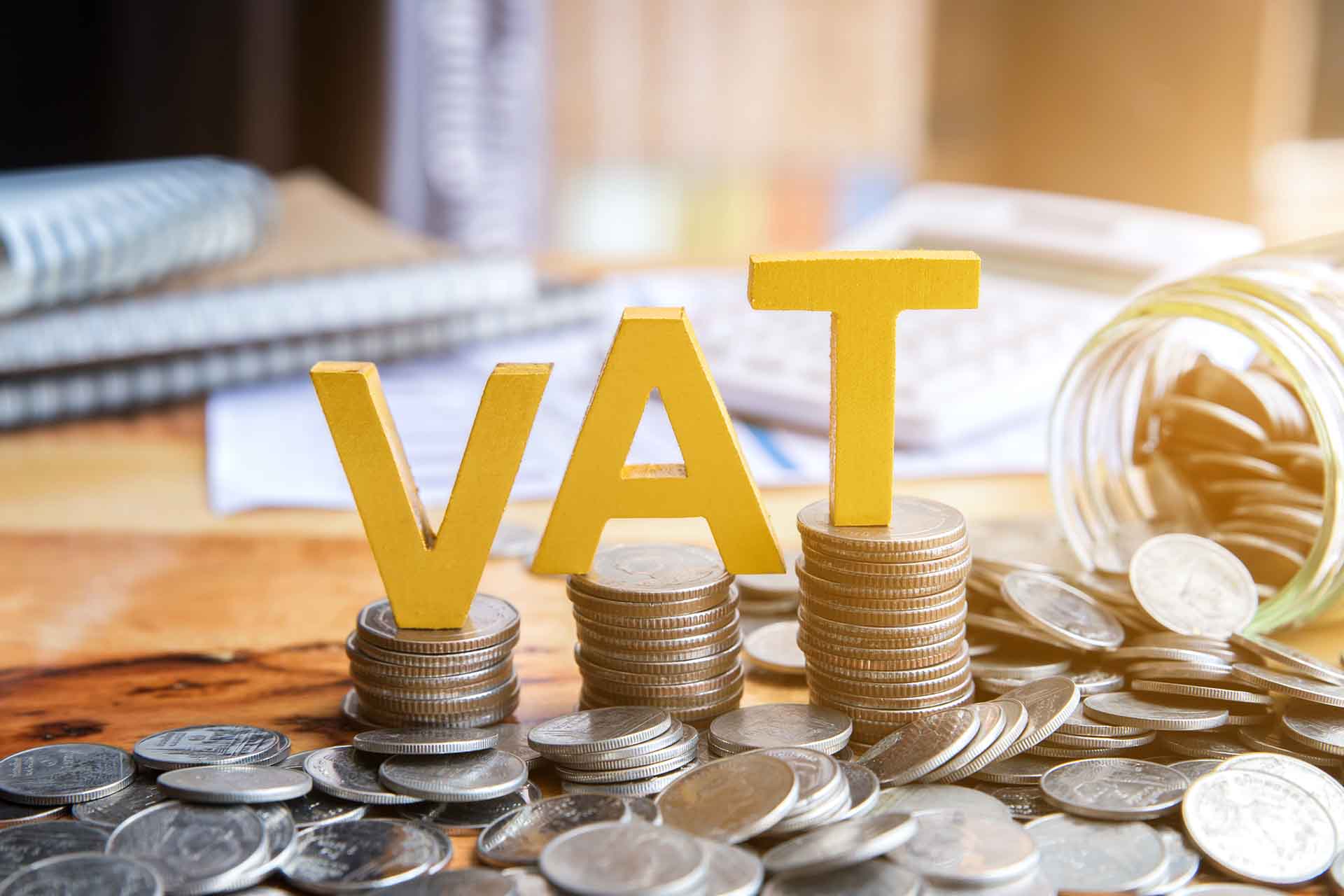
The VAT Cash Accounting Scheme was designed to help with exactly this problem. It allows you to pay VAT only once your customers have paid you, rather than when you issue an invoice. For many businesses, this can ease pressure on cash flow and reduce the risk of being out of pocket.
In this guide, we’ll explain how the scheme works, the advantages and drawbacks, and how to decide if it’s the right choice for your business.
What is VAT Cash Accounting?
Normally, under the standard “invoice” or “accrual” basis, VAT is due as soon as you issue an invoice — even if your client doesn’t pay you for weeks or months.
With the Cash Accounting Scheme, things work differently:
-
- You pay VAT to HMRC only after you’ve received payment from your customer.
-
- You reclaim VAT on purchases only once you’ve paid your suppliers.
This means your VAT bill reflects the actual cash moving in and out of your bank account, not just what’s on paper.
Who Can Use the Scheme?
To join the VAT Cash Accounting Scheme, you must:
-
- Be VAT-registered.
-
- Expect your taxable turnover to be £1.35 million or less in the next 12 months.
You’ll need to leave the scheme if your turnover goes above £1.6 million.
The scheme is optional, so it’s important to weigh up whether it suits your business model.
How Does It Work in Practice?
- Paying VAT to HMRC
You only account for VAT once a customer has paid. If they don’t pay, you don’t owe VAT on that invoice.
2. Reclaiming VAT
VAT on purchases can only be reclaimed once you’ve actually paid your supplier. This is different from accrual accounting, where you could claim as soon as you received the invoice.
3. VAT Returns
You’ll still file VAT returns (monthly, quarterly, or annually), but the figures are based on cash received and paid, rather than invoices issued.
Benefits of VAT Cash Accounting
-
- Improved cash flow
You don’t hand money to HMRC before it’s even in your bank account.
-
- Protection from late payments
If customers take a long time to pay, you’re not left out of pocket by paying VAT upfront.
-
- Easier to follow
Because it mirrors your actual bank transactions, many small business owners find cash accounting more intuitive.
Possible Drawbacks
-
- Delayed VAT reclaims
If you buy goods or services on credit, you can’t reclaim the VAT until you’ve paid the supplier.
-
- Less benefit for fast-paying clients
If most customers pay immediately, you won’t see much difference compared to invoice-based VAT.
-
- Turnover limits apply
You’ll have to leave the scheme if turnover exceeds £1.6 million, which may be restrictive if your business is growing quickly.
Is It Right for Your Business?
The VAT Cash Accounting Scheme is particularly useful if your business:
-
- Deals with customers who often pay late.
-
- Wants to keep tighter control of cash flow.
-
- Has relatively low upfront costs, so delayed VAT reclaims aren’t a problem.
On the other hand, if your suppliers expect quick payment or if your customers pay you promptly, the benefits may be limited.
How to Join or Leave the Scheme?
New VAT registration – simply select “cash accounting” when you register for VAT.
Already VAT-registered – inform HMRC that you want to switch.
Leaving the scheme – you’ll need to switch back to the standard method if your turnover exceeds £1.6 million, or if you decide it no longer suits your needs.
Final Thoughts
The VAT Cash Accounting Scheme can be a valuable way to manage cash flow and reduce the strain of late payments. By only paying VAT once you’ve been paid, your business keeps more working capital for day-to-day operations.
However, it isn’t a one-size-fits-all solution. Businesses with significant upfront costs or fast-paying clients may find the standard accrual method more effective.
At Adena Accountancy, we work with small businesses and directors to identify the VAT scheme that best suits their needs. If you’re unsure which option is right for you, our team can guide you through the decision and handle the paperwork, so you can focus on running your business.
Contact Us
Get In Touch with Us
Looking for dependable accountancy service in Manchester? Call us on 0161 706 1847 or email us at info@adenaaccountancy.co.uk to focus on growth and leave the rest to us.